
Smart kitchen appliances: 47% faster cooking efficiency
Smart kitchen appliances promise to revolutionize your cooking routine, but do they deliver real benefits or just add complexity? Recent studies reveal that smart appliances reduce meal prep time by 47% while cutting energy consumption substantially. For tech-savvy European homeowners weighing the upgrade, understanding both advantages and drawbacks is essential. This guide examines efficiency gains, energy savings, safety features, and privacy concerns to help you make an informed decision about modernizing your kitchen.
Table of Contents
- Key takeaways
- How smart kitchen appliances improve cooking efficiency
- Energy savings and environmental benefits for European homeowners
- Safety features and potential drawbacks of smart kitchen appliances
- Making smart kitchen appliances work for you: practical tips and brand recommendations
- Upgrade your kitchen with smart appliances from OnlineStore24 EU
- Frequently asked questions
Key Takeaways
| Point | Details |
|---|---|
| Faster cooking | AI guided settings and sensors cut meal prep time by about 47 percent, while reducing cognitive load. |
| Energy savings | Smart appliances save 31 to 50 percent energy versus traditional models, with Europe seeing greater impact due to higher electricity costs. |
| Safety features | Auto shut off and precise temperature control improve safety and provide peace of mind. |
| Privacy concerns | Privacy and connectivity drawbacks exist, including data sharing questions and dependence on apps. |
How smart kitchen appliances improve cooking efficiency
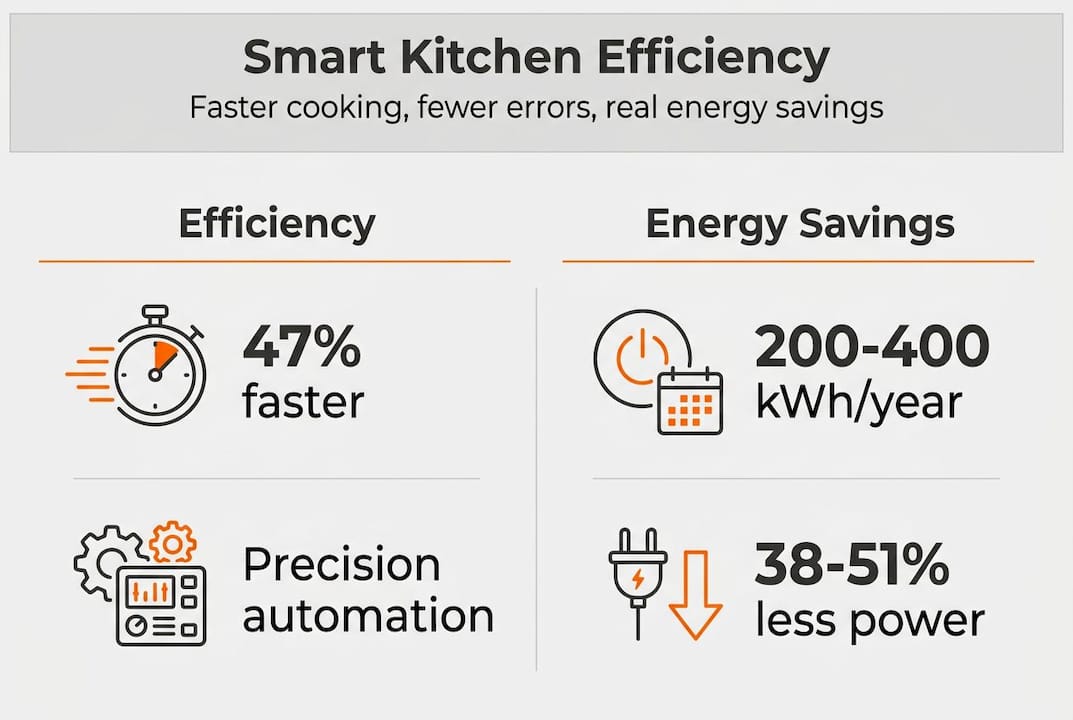
Smart kitchen appliances transform meal preparation through precision automation. AI-guided settings and sensors eliminate guesswork by controlling temperature and timing with accuracy traditional appliances cannot match. This automation reduces the cognitive effort required for complex cooking tasks, freeing you to focus on other activities.
Consider the efficiency difference in a practical example. An Instant Pot cooks black beans in 58 minutes compared to 109 minutes on a stovetop. That 47% time reduction compounds across weekly meal preparation. Smart appliances reduce meal prep time by 47% and cognitive load by 62%, allowing you to reclaim hours each week.
Key efficiency improvements include:
- Pre-programmed recipes that automate multi-step cooking processes
- Temperature sensors that adjust heat automatically to prevent overcooking
- Timer functions that coordinate multiple dishes simultaneously
- Remote monitoring through apps that alert you when meals are ready
Automation also minimizes cooking errors. Traditional methods require constant attention and adjustment. Smart appliances handle these details automatically, producing consistent results every time. This reliability matters especially for complex techniques like sous vide or pressure cooking.
Pro Tip: Combine smart appliances with meal planning apps and organized ingredient prep to maximize your time savings. The efficiency gains multiply when you coordinate your entire cooking workflow.
The real value extends beyond speed. Smart features reduce the mental load of cooking by handling timing, temperature monitoring, and process coordination. You can start dinner remotely during your commute or receive alerts when food needs attention. This flexibility integrates cooking seamlessly into busy schedules.
For European households where time efficiency matters, these improvements translate to tangible lifestyle benefits. Pairing smart cooking devices with complementary tools like an air fryer creates a complete efficient kitchen ecosystem.
Energy savings and environmental benefits for European homeowners
Energy efficiency represents one of the most compelling financial reasons to upgrade. Smart appliances can save 31% to over 50% energy compared to traditional models through optimized operation cycles and intelligent load management.
These savings matter particularly in Europe, where electricity costs remain significantly higher than global averages. Smart appliances achieve efficiency through several mechanisms:
- Load-optimized cycles that use minimum energy for each task
- Off-peak scheduling that runs during lower-rate electricity periods
- Sensors that detect food quantity and adjust power consumption accordingly
- Standby modes that minimize idle energy draw
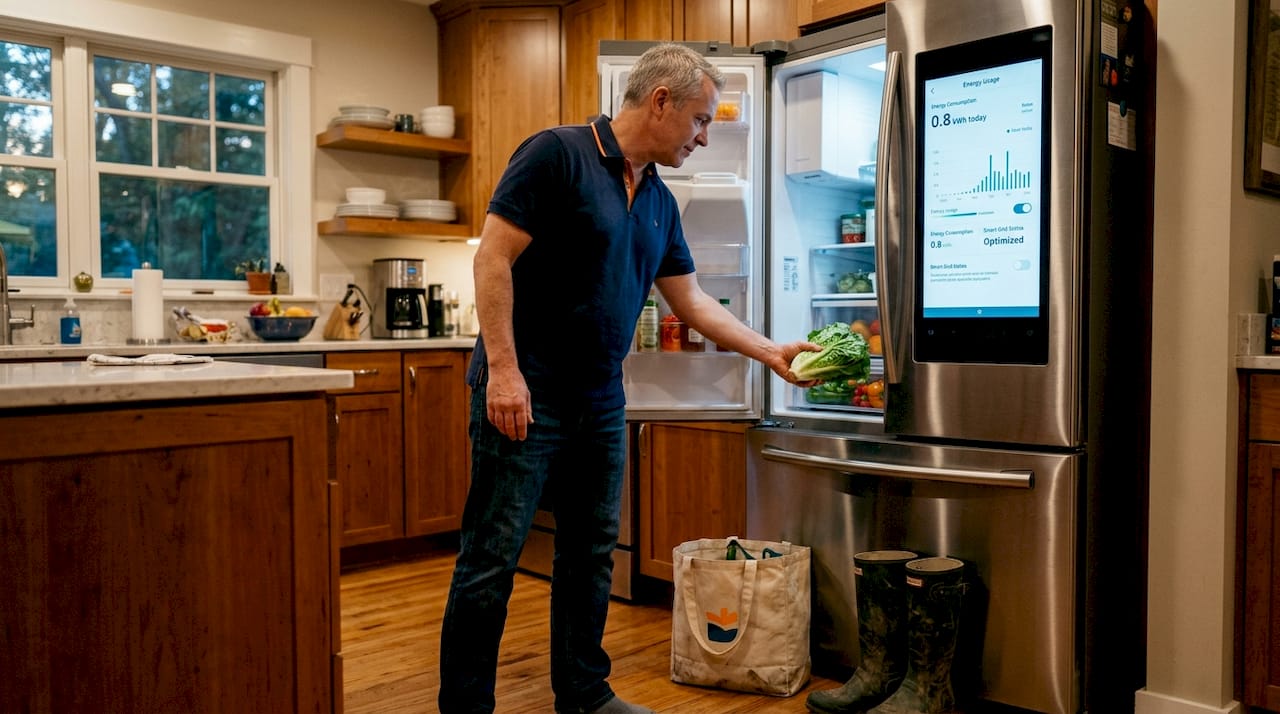
The financial impact becomes clear when examining specific appliances. A smart refrigerator saves 200-400 kWh annually compared to conventional models. At European electricity rates averaging €0.25-0.35 per kWh, that translates to €50-140 yearly savings per appliance.
| Appliance Type | Traditional Energy Use | Smart Energy Use | Annual Savings (kWh) | Cost Savings (€/year) |
|---|---|---|---|---|
| Refrigerator | 600 kWh | 300 kWh | 300 | €75-105 |
| Dishwasher | 288 kWh | 180 kWh | 108 | €27-38 |
| Oven | 220 kWh | 135 kWh | 85 | €21-30 |
| Coffee Maker | 45 kWh | 28 kWh | 17 | €4-6 |
Smaller appliances show even more dramatic percentage improvements. Smart coffee makers and kettles use 38-51% less electricity per cycle through precise heating control. Multicookers like Instant Pots consume less energy than stovetop cooking while delivering faster results.
Pro Tip: Disable WiFi connectivity when not actively using remote features. Wireless radios consume standby power continuously. Enabling connectivity only when needed reduces energy waste by 2-5 watts per device.
Beyond individual savings, smart appliances contribute to grid stability through demand response features. Some models automatically shift energy-intensive operations to off-peak hours, reducing strain during peak demand periods. This collective benefit supports renewable energy integration and grid efficiency.
For homeowners interested in broader sustainability, smart kitchen appliances complement other eco friendly gadgets in reducing household environmental impact. Integrating these devices with smart home systems creates comprehensive energy management.
Safety features and potential drawbacks of smart kitchen appliances
Smart appliances deliver meaningful safety improvements through automated monitoring and control. Automatic shut-off prevents overheating and fire hazards when you forget to turn off a device. Remote monitoring allows you to check appliance status from anywhere, providing peace of mind when you’re away from home. Maintenance alerts notify you of issues before they become dangerous, like blocked vents or worn components.
These features address common kitchen safety concerns effectively. However, smart appliances introduce new challenges that traditional models avoid.
Connectivity dependency creates the most significant practical drawback. WiFi outages disable remote features and can prevent some appliances from operating entirely. Firmware updates occasionally cause temporary malfunctions or compatibility issues. These dependencies mean your cooking capability relies partly on network infrastructure and software stability.
Privacy concerns represent a more serious long-term issue. Smart appliance owners report rising fears over privacy and autonomy, with 85% of Swiss owners expressing increasing worry. Data collection includes:
- Usage patterns revealing when you’re home or away
- Location data from mobile app interactions
- Consumption habits and dietary preferences
- Voice recordings from appliances with assistant integration
Manufacturers collect this information ostensibly to improve features and provide personalized recommendations. However, data breaches or unauthorized access could expose sensitive household information. The same study found 67% of users fear losing competence as they rely more on automated systems.
Pro Tip: Choose EU brands like Miele, Bosch, or Siemens that prioritize GDPR compliance. European manufacturers face stricter data protection regulations and typically offer better privacy controls than international competitors.
Additional drawbacks include higher upfront costs, shorter replacement cycles due to obsolete technology, and increased complexity for less tech-savvy household members. Repairs often require specialized technicians familiar with both mechanical and electronic systems.
Balancing these factors requires careful consideration of your priorities. Safety features and efficiency gains provide tangible benefits, while privacy risks and connectivity dependency introduce new vulnerabilities. Understanding both sides helps you make choices aligned with your values and needs.
For those building comprehensive smart home setups, selecting compatible devices matters. Explore best electronics for modern homes to ensure your appliances integrate smoothly with existing systems.
Making smart kitchen appliances work for you: practical tips and brand recommendations
Maximizing smart appliance benefits while minimizing risks requires strategic choices and proper usage practices. Follow this optimization approach:
- Enable only essential smart features you’ll actually use regularly
- Disable WiFi connectivity when remote access isn’t needed
- Review and restrict data sharing permissions in appliance apps
- Set up local network segmentation to isolate smart devices
- Verify actual energy consumption using a monitoring device
- Follow manufacturer maintenance schedules to extend lifespan
Proper use extends appliance longevity to 7.2 years versus 4.1 years with misuse. Common mistakes that shorten lifespan include overfilling, ignoring maintenance alerts, and using incompatible accessories. Disabling unnecessary connectivity also reduces standby energy consumption.
Pro Tip: Use a Kill-A-Watt or similar energy monitoring device to verify manufacturer efficiency claims. Measure actual consumption over a week to identify which appliances deliver real savings and which features waste energy.
Brand selection significantly impacts your experience, especially regarding privacy and support. European manufacturers generally offer better GDPR compliance and local service networks.
| Brand | Privacy Rating | Energy Efficiency | Smart Features | EU Support |
|---|---|---|---|---|
| Miele | Excellent | Very High | Comprehensive | Extensive |
| Bosch | Very Good | High | Robust | Strong |
| Siemens | Very Good | High | Advanced | Strong |
| Samsung | Fair | Very High | Extensive | Moderate |
| LG | Fair | High | Comprehensive | Moderate |
Miele leads in privacy protection with minimal data collection and transparent policies. Their appliances cost more upfront but deliver exceptional longevity and efficiency. Bosch and Siemens offer strong middle-ground options with solid smart features and good privacy practices.
Asian brands like Samsung and LG provide more advanced connectivity and features but collect more user data. They work well if you prioritize cutting-edge technology over privacy. However, EU support networks may be less comprehensive.
When building your smart kitchen, consider compatibility across devices. Some brands offer ecosystems where appliances communicate and coordinate. Others work better as standalone devices. Match your choice to whether you want integrated control or prefer independent operation.
For comprehensive guidance on selecting quality electronics, review electronics buying guides for Europe covering various product categories and evaluation criteria.
Upgrade your kitchen with smart appliances from OnlineStore24 EU
Ready to transform your cooking experience with smart technology? OnlineStore24 EU offers a curated selection of smart kitchen appliances and connectivity devices from trusted European and international brands. Our catalog includes energy-efficient cooking appliances, smart refrigerators, and connected kitchen accessories designed for modern European homes.
We prioritize EU-compliant products that respect your privacy while delivering genuine efficiency improvements. Fast delivery across Europe ensures you receive your appliances quickly from our EU-based warehouses. Secure payment options and comprehensive product information help you make confident purchasing decisions.
Enhance your smart kitchen setup with reliable networking equipment. Our access point Trendnet TEW-821DAP ensures strong WiFi coverage throughout your home, while the network adaptor Trendnet TPE-113GI provides stable wired connectivity for appliances requiring consistent connections. Building a robust network foundation maximizes smart appliance performance and reliability.
Frequently asked questions
Are smart kitchen appliances worth the investment?
Smart appliances justify their cost through energy savings, time efficiency, and enhanced safety features. European homeowners typically recover the price premium within 3-5 years through reduced electricity bills. The 47% reduction in meal prep time and cognitive load provides additional lifestyle value beyond financial returns.
How do smart kitchen appliances reduce energy consumption?
Smart appliances optimize energy use through load-sensing technology that adjusts power based on actual needs. Off-peak scheduling shifts operation to lower-rate electricity periods, reducing costs by 15-25%. Precision sensors eliminate energy waste by heating or cooling only as required, while standby modes minimize idle consumption.
What privacy risks come with smart kitchen appliances?
Manufacturers collect usage patterns, location data, and consumption habits through connected appliances. This information could reveal when you’re home, dietary preferences, and household routines. Data breaches or unauthorized access pose risks, though EU GDPR regulations provide stronger protections than other markets. Choose European brands and disable unnecessary connectivity to minimize exposure.
Can smart kitchen appliances function during internet outages?
Most smart appliances offer limited offline functionality through manual controls and basic automation. WiFi outages disable remote monitoring, app controls, and cloud-based features but don’t prevent operation entirely. Devices with physical control panels maintain core cooking functions. However, some advanced features like recipe downloads or voice control require active internet connections.
How long do smart kitchen appliances typically last?
Properly maintained smart appliances last 7-8 years on average, comparable to traditional models. Technology obsolescence may prompt earlier replacement as manufacturers discontinue app support or firmware updates. Following maintenance schedules, avoiding overfilling, and using compatible accessories extends lifespan significantly. European brands generally offer longer support periods than international competitors.
Recommended
- Best Air Fryers in Europe (2026 Guide): Healthy Cooking Made Easy at Home – OnlineStore24 EU
- Air Fryer Guide 2026: Best Models, Recipes & Healthy Cooking Tips Europe – OnlineStore24 EU
- Best Air Fryers for European Kitchens (2026 Buying Guide) – OnlineStore24 EU
- Smart Home Devices Guide 2026: Transform Your European Home – OnlineStore24 EU
- Blog - ΞΥΔΑΣ ΕΥΡΑΓΟΡΑ - Οι καλύτεροι στην αγορά. Μεγάλες προσφορές στις Ηλεκτρικές Συσκευές